Supporting the steel industry with raw materials, by bridging gaps across continents since 1974
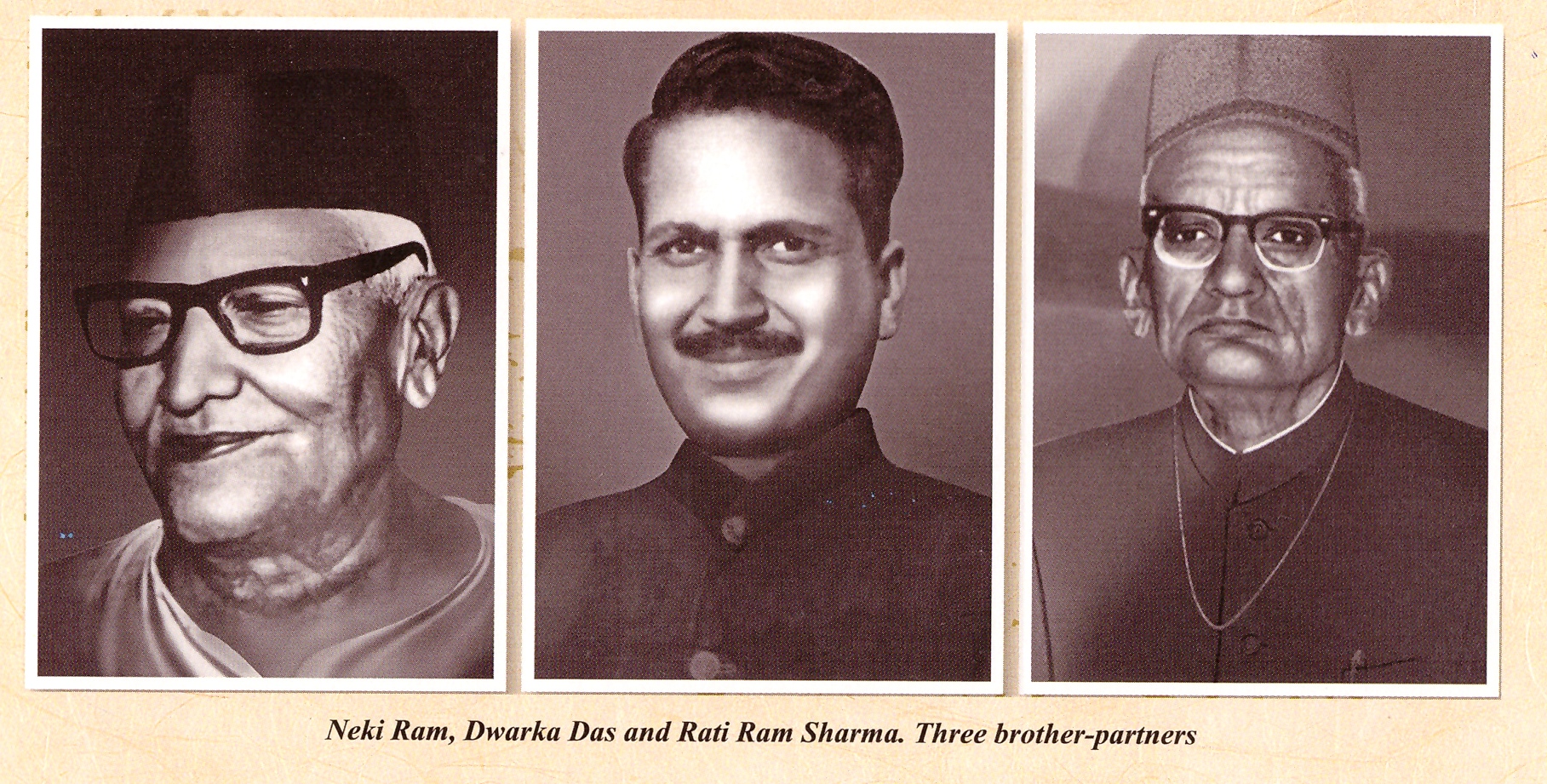
Out of three brothers, elder brother Neki Ram Sharma decided to move to Calcutta at the age of 11 in year 1922. Very soon, he was joined by my father Dwarkadas Sharma and his brother Rati Ram Sharma. Out of three, it was only Rati Ram Sharma, who passed middle school i.e. the eighth standard.
The shift was something that was forced upon them. Their parents had expired in a plague epidemic and there was an urgent need to make ends meet, while having to overcome the lack of education.
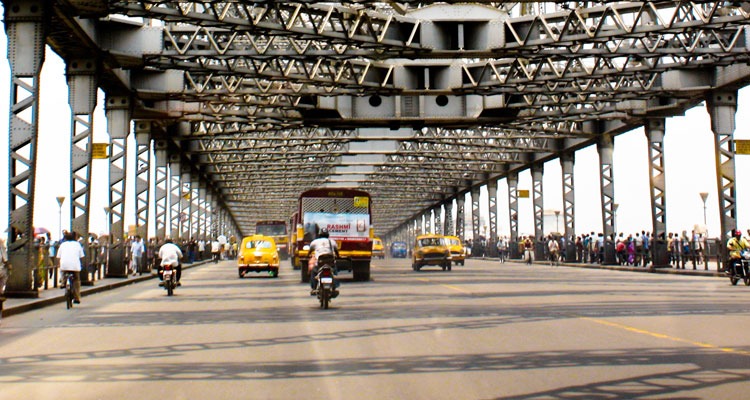
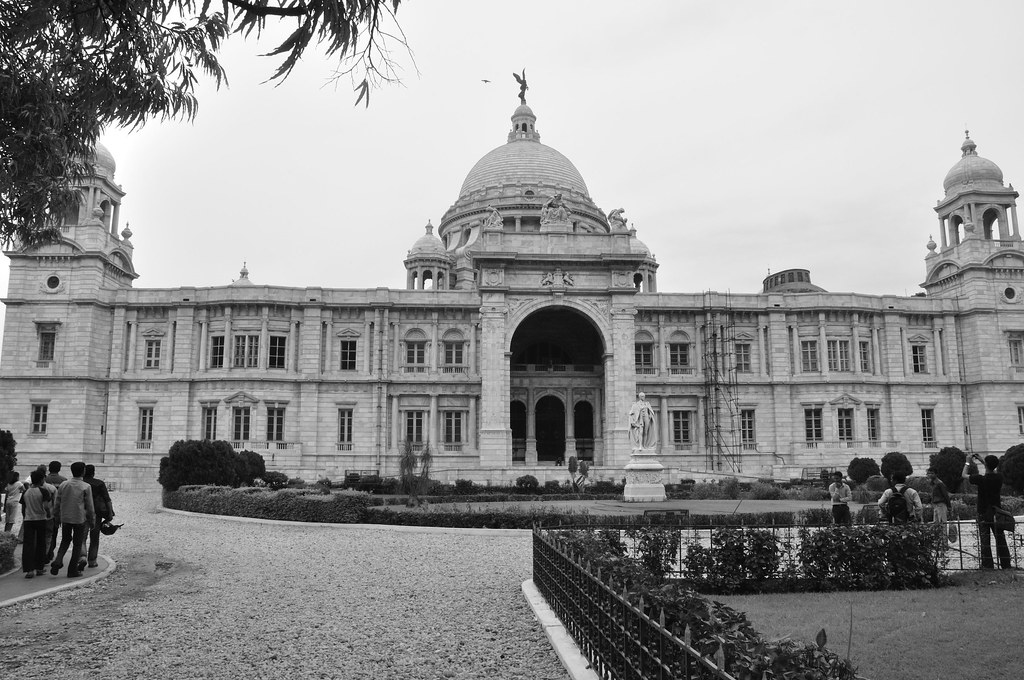
Calcutta was undivided India’s city of opportunity, the economical capital of this vast subcontinent, driven by a number of industries – tea, jute and engineering. The city attracted capital; it attracted businessmen from various states, its economy was sustained by import and export; it traded with a number of countries through its bustling port.
Three brothers were at the right city at the right time. What they did not possess by way of a formal education and family support, they more than made up their common sense and the ability to spot a commercial opportunity. They started out by working as share brokers.
Their preservance and honesty resulted in their being able to soon set up their own firm Nekiram Dwarkadas with their own gaddi at 94, Lower Chitpore Road (Mia Katra) which we still have and celebrated its 100 years, only last year.
Nekiram Dwarkadas initially engaged in share trading at the Calcutta Stock Exchange (One of the oldest in South Asia) and all other trading hubs like Tissi Bara, Chandi Bara, and Borabazar, among others. Being perceptive, they later expanded to jute and hessian trading, becoming founder members of East Indian Jute and Hessian Exchange Limited in 1945.
The result was that even though the family share market business continued to flourish, they were busy prospecting other business as well. For instance, they ventured into the absolutely unrelated business of acquiring the agency of Wimco (the most popular global match stick brand), which was then based in Madhya Pradesh with an office and godown in Raigarh (erstwhile MP, now Chhattisgarh). They also acquired some forest areas on lease for timber trading. Youngest brother Rati Ram was given the responsibility. We constructed a house in Raigarh at a cost of Rs. 56,000/- in 1946. The House is still with us.
The fact that they did not possess an experience in marketing matchsticks was never deterrent; having graduated from a background where they possessed nothing but their own wits to rely on, they felt there was nothing they could not figure out; no trade so complex that they could nor decode; no problem so intimidating they could not overcome. The result was that after Wimco’s agency had been acquired, the family ventured to set up Bharat General trading Company in Raipur (along with branches in 12 cities of Madhya Pradesh and Odisha) to trade in foodgrains mainly rice. It was a country emerging from years of colonial control. Once unfettered there was a new aspiration translating into wider opportunities.
The family was reasonably well-to-do. The business were flourishing. There was generally a feeling of contentment. Then they encountered a big setback.
In 1952, the then Food Minister Rafi Ahmed Kidwai banned the inter-state movement of foodgrain with the objectives to arrest scarcity in some states.
Their Raipur business, which had been entirely built around grain trading, suffered a sizeable loss, which needed to be plugged through funds from the Calcutta business. Consider the austerity; the Calcutta business was the flagship but did not even have a car. However, they had a couple of cars in Raipur (as well as a truck and jeep for business purposes).
To tide over cash losses, a large part of their grain inventory needed to be liquidated at ridiculously low prices. Dal purchased for Rs. 22 per maund (37.3 kilograms) had to be sold at Rs. 4 per maund. The huge loss was a big setback for the family, out from which we could not recover for many years.
From a small proprietorship firm to a global trading powerhouse, explore the milestones that shaped our legacy
Before-1974
1974
1980s-1990s
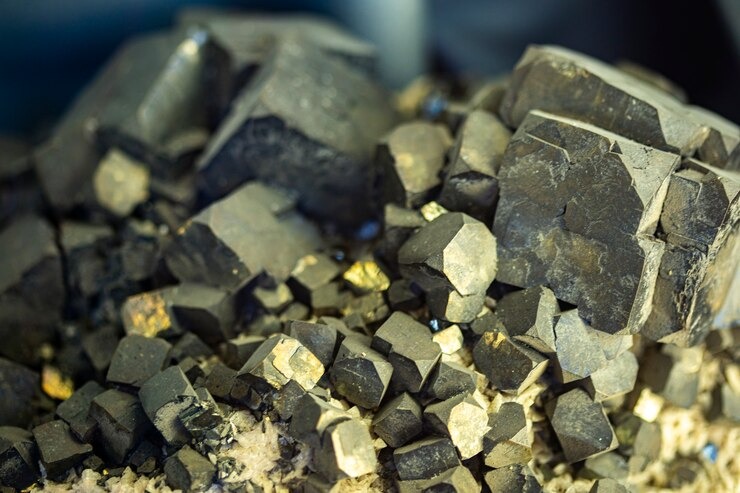
Mercury International ventures into supply, export, and import of raw materials for the steel industry.
Late 1980s
Group company Express Coal Agency established to handle coal supply from Coal India Ltd.
1991
Activities of Express Coal Agency merged into Mironda Trade & Commerce Pvt. Ltd.
2005
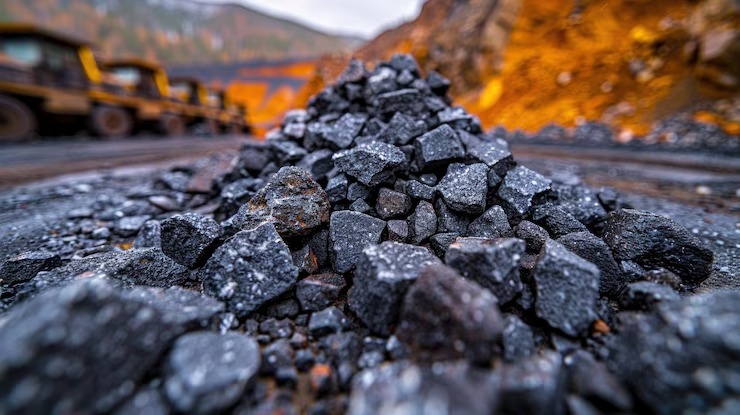
Begins supply of Iron Ore Fines to exporters to China.
2000s-2010s
Company renamed Mironda Minmetals Pvt. Ltd.
Building on our legacy while pioneering new frontiers in in the industry
Establishes Reliant Commodities FZ – LLC in Dubai to strengthen international trade operations in the Middle East and beyond.